- Home
- Visaginas faces
-
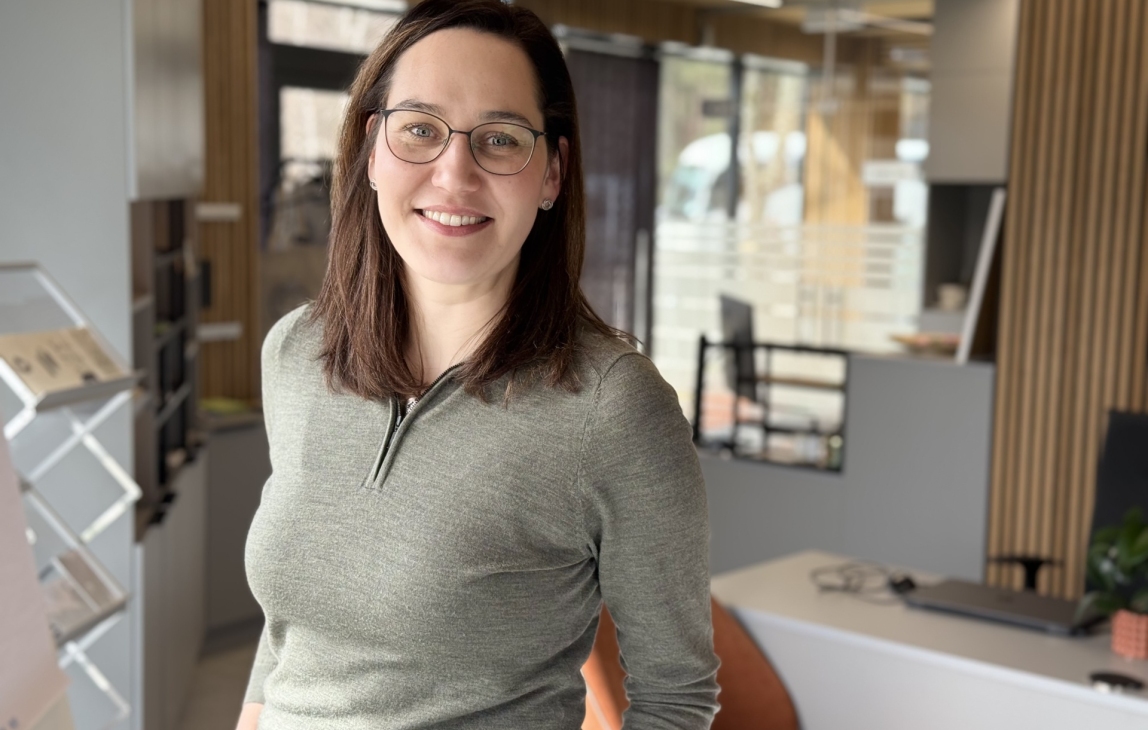
Sandra Matvejeva
Sandra Matvejeva
Designer, set designer and mother of two sons, Sandra stayed in Visaginas when many others left. She speaks about the city as a mission — one inherited from her parents’ generation and carried forward every day with her own hands.
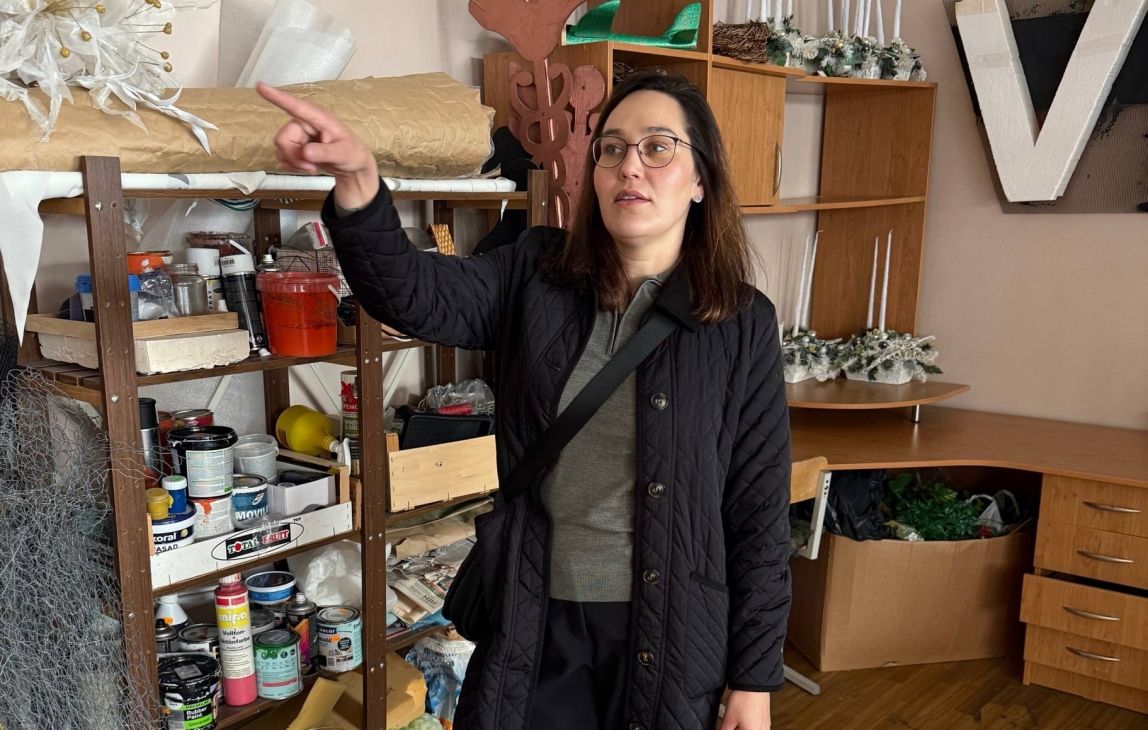
“I think it’s all in our hands. We can make this city what we want it to be, what we imagine it to be in our future.”
Sandra describes herself simply: a set designer at the Cultural Centre, a manager by role, and a designer by education. But the way she talks about her work — “I love it with every drop of myself” — makes it clear that, for her, it is much more than a profession. It is a part of who she is.
Sandra is not someone who idealises the city without question. Yet there is one thought she keeps returning to: her parents’ generation came to Visaginas to build a city from nothing. Her generation is the first to have the opportunity to carry that work forward — this time, as something of their own.
“It is almost like a mission that we should probably continue,” Sandra says. The word “probably” does not suggest uncertainty. If anything, it sounds like a modest way of putting something she herself considers almost self-evident.
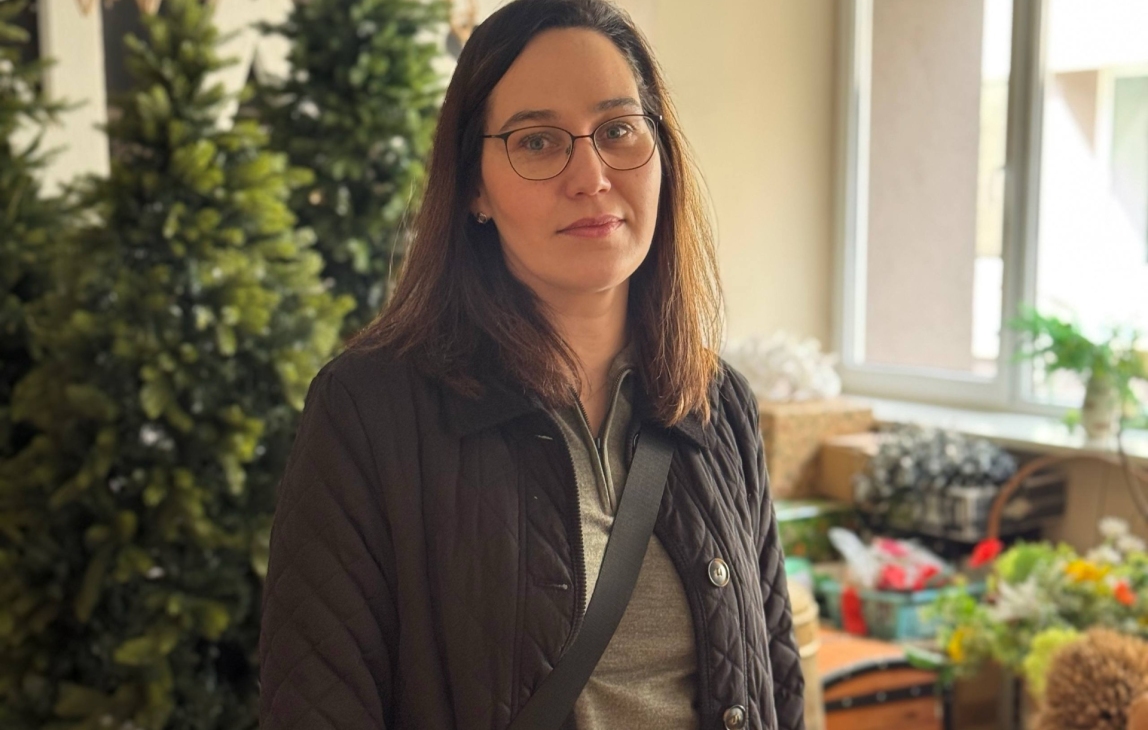
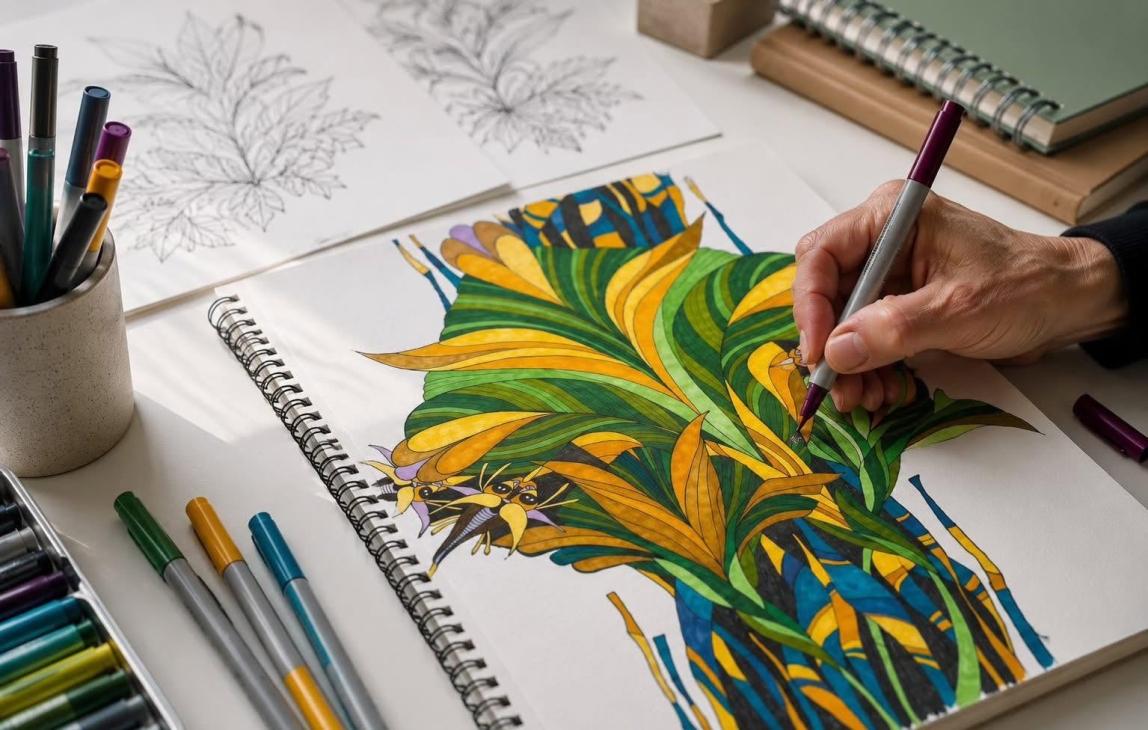
Her work at the Cultural Centre is difficult to sum up in a single job title. “It’s a kind of vinaigrette, compote — call it whatever you want,” she says with a laugh. In practice, it means working on city celebrations and Christmas tree lightings, organising intimate stage events, theatre performances, contemporary art projects and amateur creative activities. Each of them requires not only a scenographer’s eye, but also the skills of a manager, an organiser and, sometimes, even an engineer.
One project that stands out to Sandra was a Christmas route through the city. Installations, light compositions and figures were placed around Visaginas and marked on a map, inviting people to walk from one location to another. Residents and visitors could enjoy the festive atmosphere while discovering familiar places from a different perspective.
“People’s reactions made this project feel a little more special than the others,” Sandra recalls.
A project born out of a personal story
But there is one project that Sandra describes as deeply personal. “PikaKoka” is an art therapy project focused on stroke rehabilitation. The idea grew out of the experience of someone close to her who, after suffering a stroke, turned to creativity as an additional part of their recovery. “Through creativity, they found their way back to a normal life,” Sandra says quietly.
Now, she wants to take the idea further — to make art therapy services available to a wider group of people in Visaginas and the surrounding region.
A town where children grow up freely
“Nature woven into the city — that combination is something special, and I think you notice it as soon as you enter Visaginas.”
— Sandra Matvejeva
Sandra is a Visaginas native who left to study and eventually returned. Visaginas won her over for reasons that are difficult to turn into a simple list of advantages: “It’s simple, easy to understand. And very close to me.”
Sandra is a mother of two boys, and this, she says, is one of the reasons she understands best from personal experience. In her view, Visaginas is one of the best cities for young families. Not because of abstract ideas, but because of the practical things it offers: you can walk or cycle around the city, choose from different sports activities and find opportunities to learn and grow — all without having to leave Visaginas. “Everything you need for everyday life up until the end of school — I think it really is enough,” she says.
Sandra does not hide the fact that when her children grow up, they will make their own choices. “They will decide where to live,” she says without hesitation — as if it were simply a natural freedom, rather than a loss.
Places that change – and those that remain the same
When asked to name her favourite places in the city, Sandra doesn’t just point to a tourist map.
During her school years, the amphitheatre was the heart of the city — a place where a separate world of youth unfolded. Today, the places where people gather have changed: small squares, benches, tucked-away corners where you can hide away while still feeling that “special Visaginian atmosphere,” as she puts it. There is no single favourite spot, but many — and each has its own character.
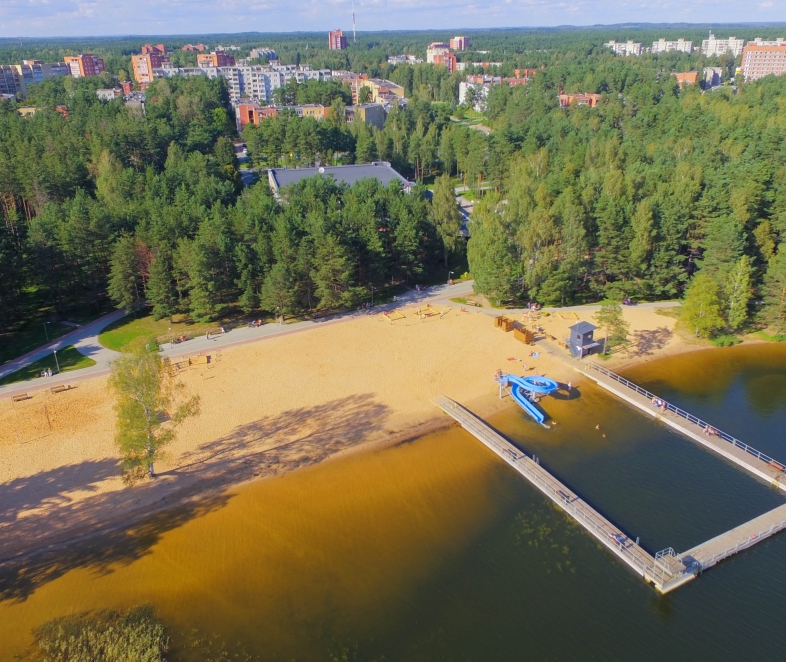
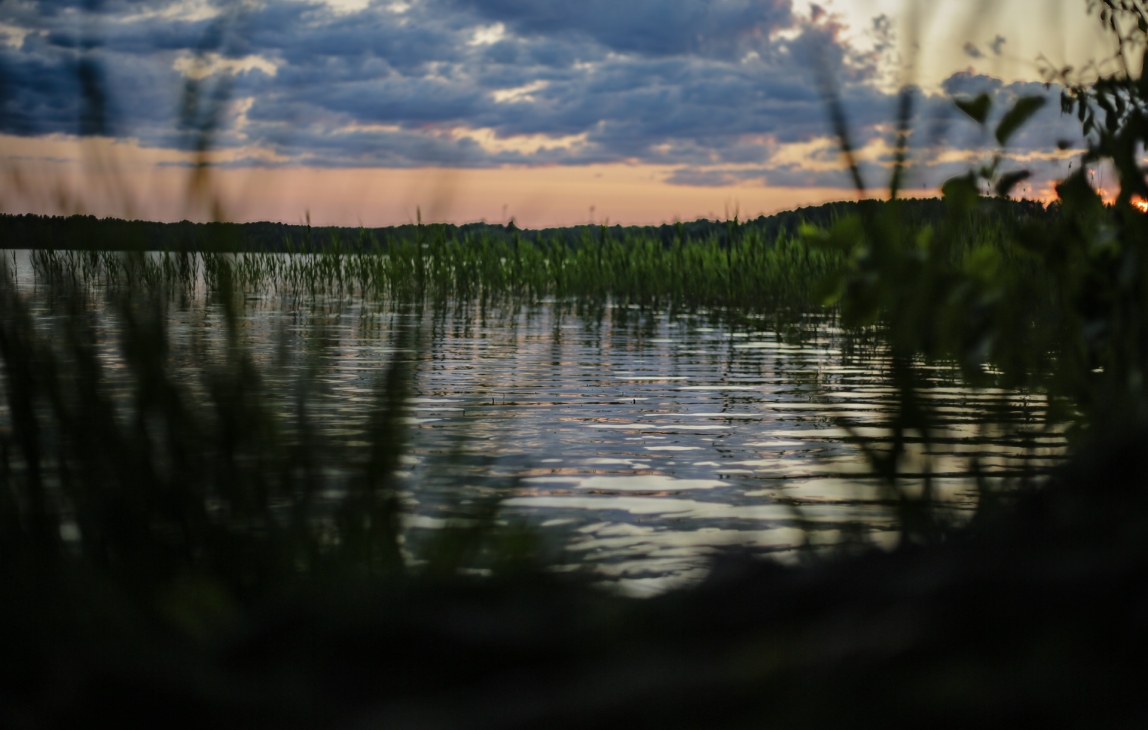
Sandra says the lake is beautiful from every angle. But there is one view that is particularly special to her — from the rowing base. “From there, you get this huge view of our lake. I think from that angle, the lake seems even bigger than it actually is.” It is a subtle observation about how perspective can change not only what we see, but also how we experience a place.
Skaitykite daugiau: https://www.lrytas.lt/bustas/architektura/2021/04/17/news/jauniausia-lietuvos-miesta-kureju-duetas-pristate-dar-neregetu-kampu-kelios-minutes-vaizdu-atima-zada-18871745
Skaitykite daugiau: https://www.lrytas.lt/bustas/architektura/2021/04/17/news/jauniausia-lietuvos-miesta-kureju-duetas-pristate-dar-neregetu-kampu-kelios-minutes-vaizdu-atima-zada-18871745
Skaitykite daugiau: https://www.lrytas.lt/bustas/architektura/2021/04/17/news/jauniausia-lietuvos-miesta-kureju-duetas-pristate-dar-neregetu-kampu-kelios-minutes-vaizdu-atima-zada-18871745
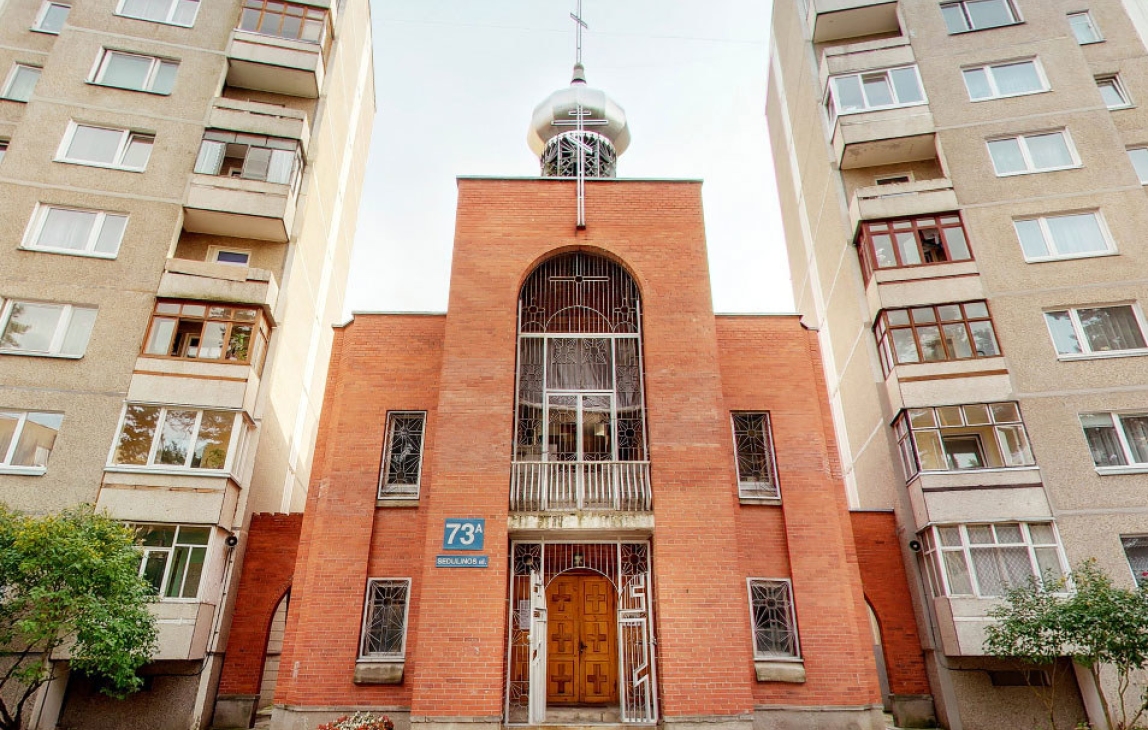
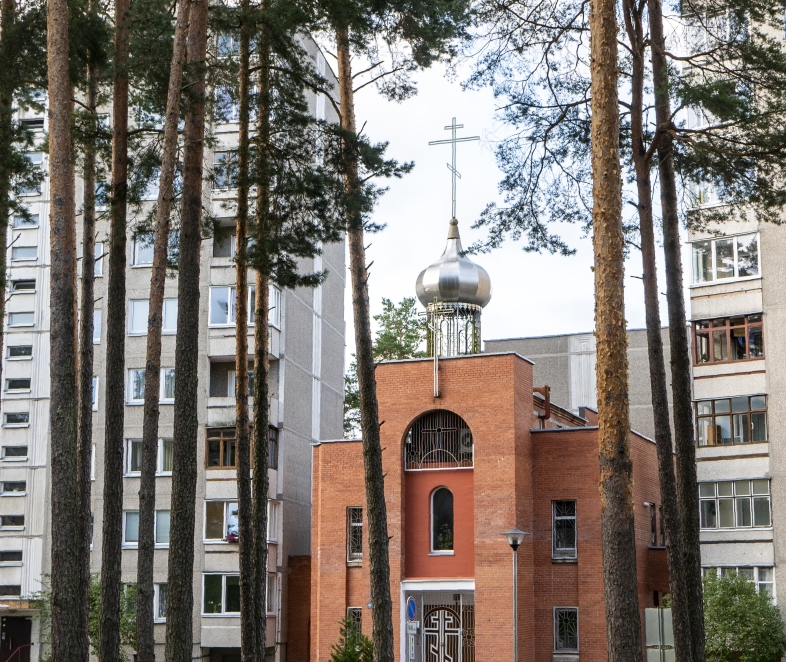
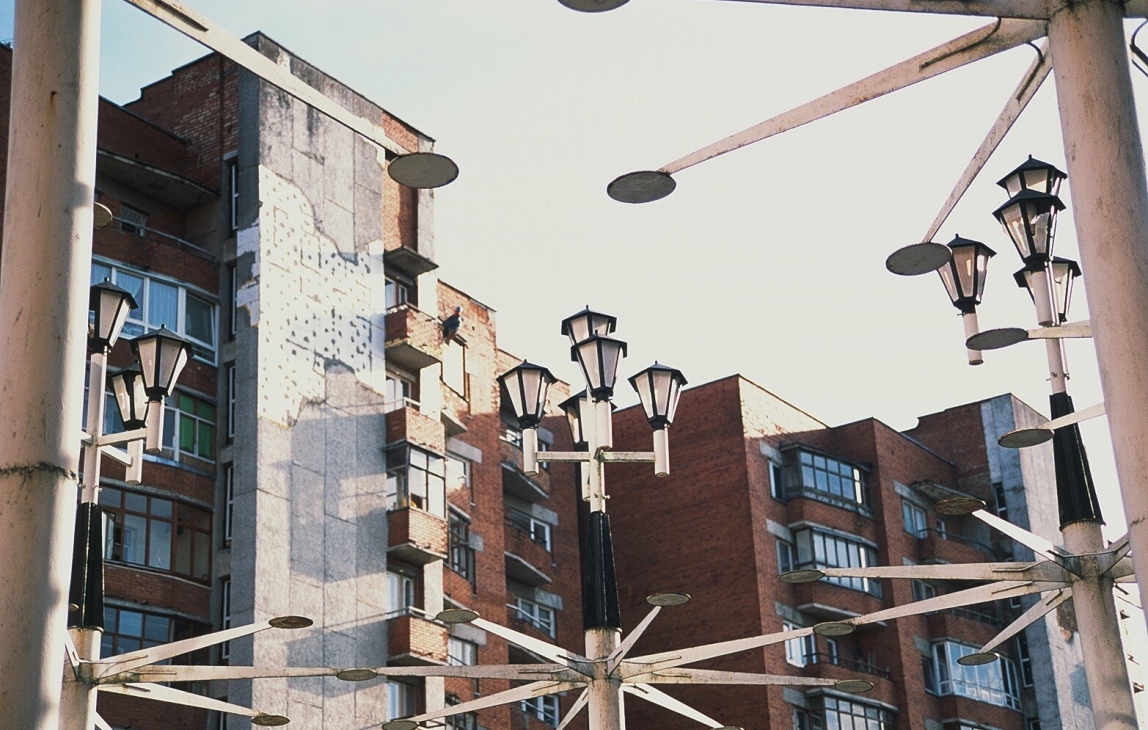
Sandra then invites us to look at the city through an architectural lens. Visaginas is distinctly urban — a city of apartment buildings, without the mixed landscape characteristic of many Lithuanian towns, where a detached house might stand next to an apartment block, and a small homestead might border a street. Here, the countryside begins only in the garden communities, and the boundary is clear. “I think this fact is really quite interesting,” Sandra says. Then there is the church, integrated into the residential neighbourhood and popular among visitors, yet fitting into the city so naturally that it seems as though it has always been there. Visaginas’ architectural character stands out through its combination of standardised and unconventional solutions, creating a cityscape that feels both collage-like and coherent. Its subtle architectural play can be found in the details — in the materials, patterns and geometric forms that shape the city’s visual identity.
visaginas.lt picture

What animal would Visaginas be?
Sandra does not have to think for long. “I remembered the movie Ice Age. That little squirrel with those big eyes.” She laughs at her own answer.
The image of the squirrel — alert, slightly wide-eyed, always looking for something — does not quite seem to fit a city that Sandra describes as calm and close to the heart. But perhaps that is precisely what makes it so fitting. Visaginas, perhaps, is both things at once.
Wishes to our visitors
“I would wish people to hear the rhythm of Visaginas, notice what makes it unique, and come back — to stay a little longer than just one day.”
— Sandra Matvejeva
More information about the places mentioned in the article can be found here: