- Home
- Visaginas faces
-
Jevgenija Cholodova
Jevgenija Cholodova
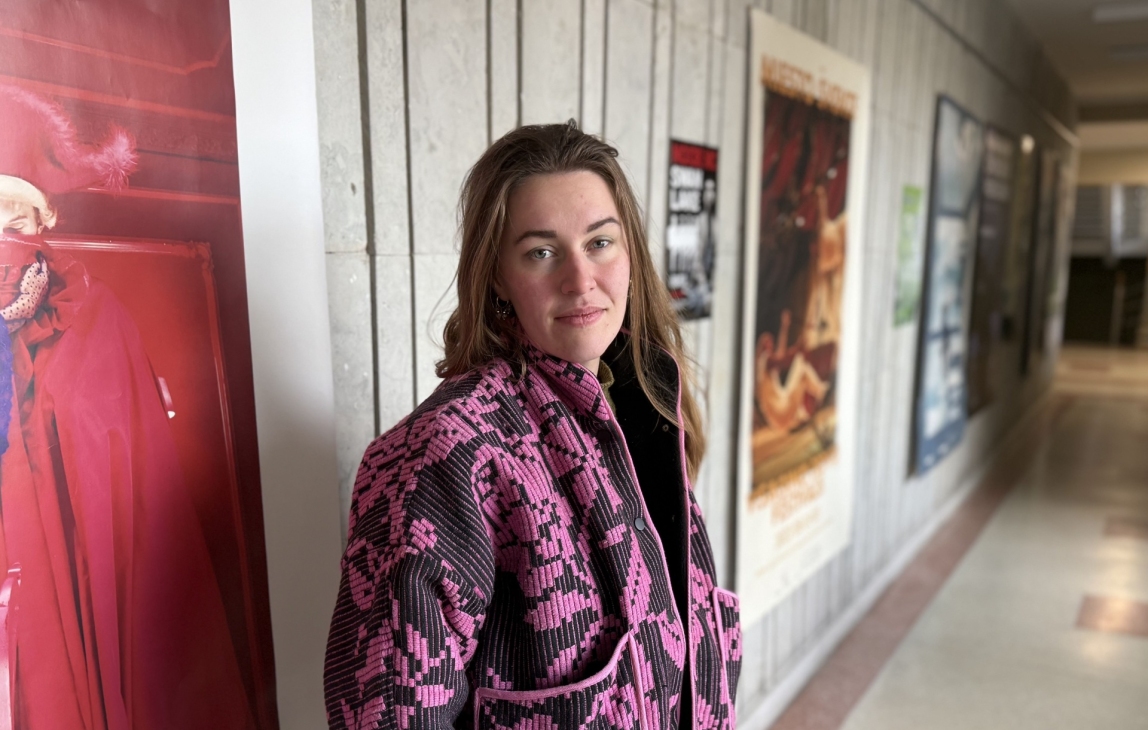
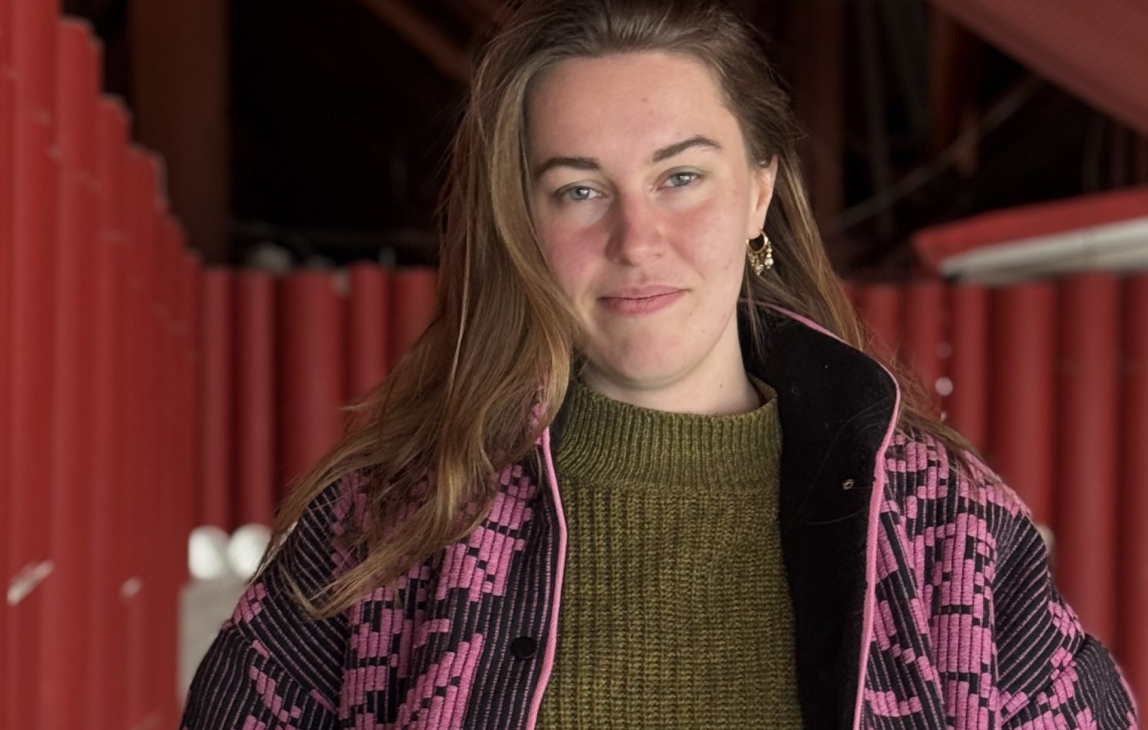
Artist and photographer Jevgenija Cholodova was born, raised and returned to the town that many people know only through myths. She talks about the formative influence of a multilingual environment, forgotten marshes by the lake, and the feeling that, in summer, Visaginas becomes something resembling a foreign country.
“I Do Whatever I’m Interested In”
Jevgenija Cholodova does not feel the need to fit herself into a single professional definition. When asked what she does for a living, her answer sounds more like an extensive list: artist, photographer, videographer, cultural centre employee, and sometimes a project manager. “I do whatever I’m interested in,” she says simply, as if it were the only possible way to approach life.
Perhaps this attitude is not accidental. Visaginas, the city where Jevgenija grew up, is itself a combination of several identities: Soviet urban planning, the legacy of nuclear energy, a multilingual community and, somewhat unexpectedly, a lively summer tourism scene. In a city where neighbours speak Ukrainian, Tatar, Kazakh and Lithuanian, learning to build your life around the things that genuinely interest you may well become a kind of survival strategy.
After finishing school, like many of her peers, Jevgenija left to study in Vilnius. After graduating, the decision to return was not particularly dramatic — it simply happened that she had to make plans for the future during the pandemic years. This year marks six years since her return, and Jevgenija still finds reasons to stay — especially from June to September.
Visaginas’ Multiculturalism Is More Than Just Statistics
“Our tolerance towards people of other nationalities grew from an early age. Everyone had their own celebrations, their own habits and traditions.”
— Jevgenija Cholodova
Summer in Visaginas is a phenomenon that is difficult to fully understand without experiencing it. People who once emigrated return to visit their grandparents and families — and with them, their languages return to the city. Jevgenija describes the feeling: “You walk down the streets and hear dozens of different languages: Italian, German, English and so on. Sometimes I even think that I’m abroad myself.”
The picture in winter is the opposite. The city grows quiet, almost shrinking into itself; the days get shorter and there are fewer activities. Jevgenija does not romanticise this period: “In winter, the city naturally becomes quieter, there are fewer activities, less light and, of course, then this kind of sadness comes.” This seasonal rhythm is almost like breathing, even if it is not always easy.
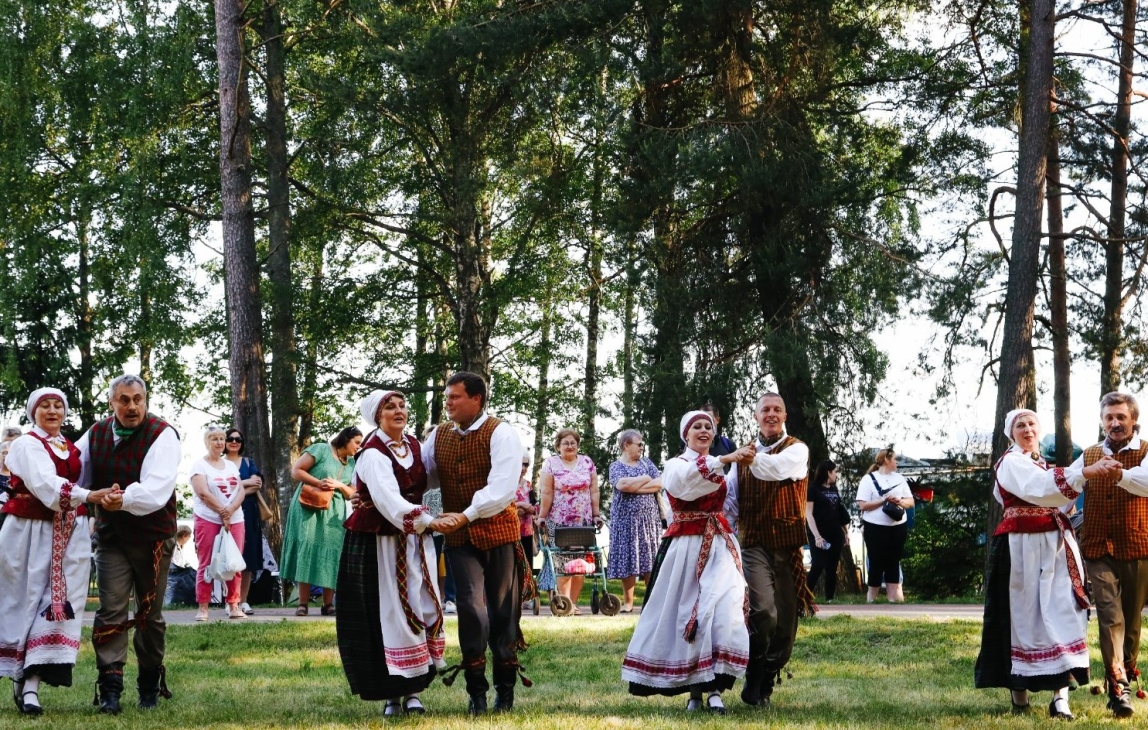
Visaginas’ multiculturalism is more than just statistics. Jevgenija recalls that her classmates included Ukrainians, Tatars, Kazakhs and Lithuanians — each with their own calendar of celebrations, their own traditions and different ways of doing things at home. Visiting a classmate could feel like stepping into another world. It was only after moving to Vilnius that she realised this had been a privilege: “I realised how much it had influenced my life and, in general, my understanding of the world.”
Following the Traces of Childhood
When asked to name places in the city, Jevgenija does not think about tourist attractions. Instead, she talks about places where something happened — places connected to memories.
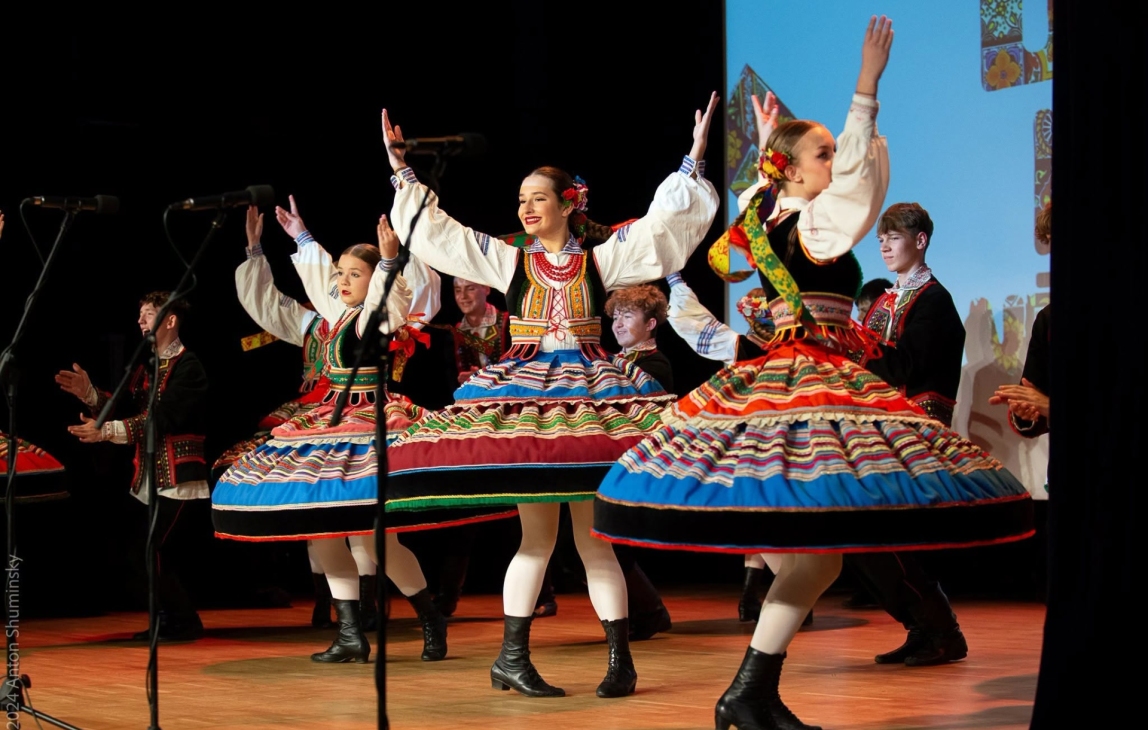
The first is the Banga Cultural Centre. She attended dance classes there as a child, and now she works there herself. “My first inner love was really for dancing and for this space,” she says with a smile. “And now I work there, which is quite funny.” The circle has come full circle.
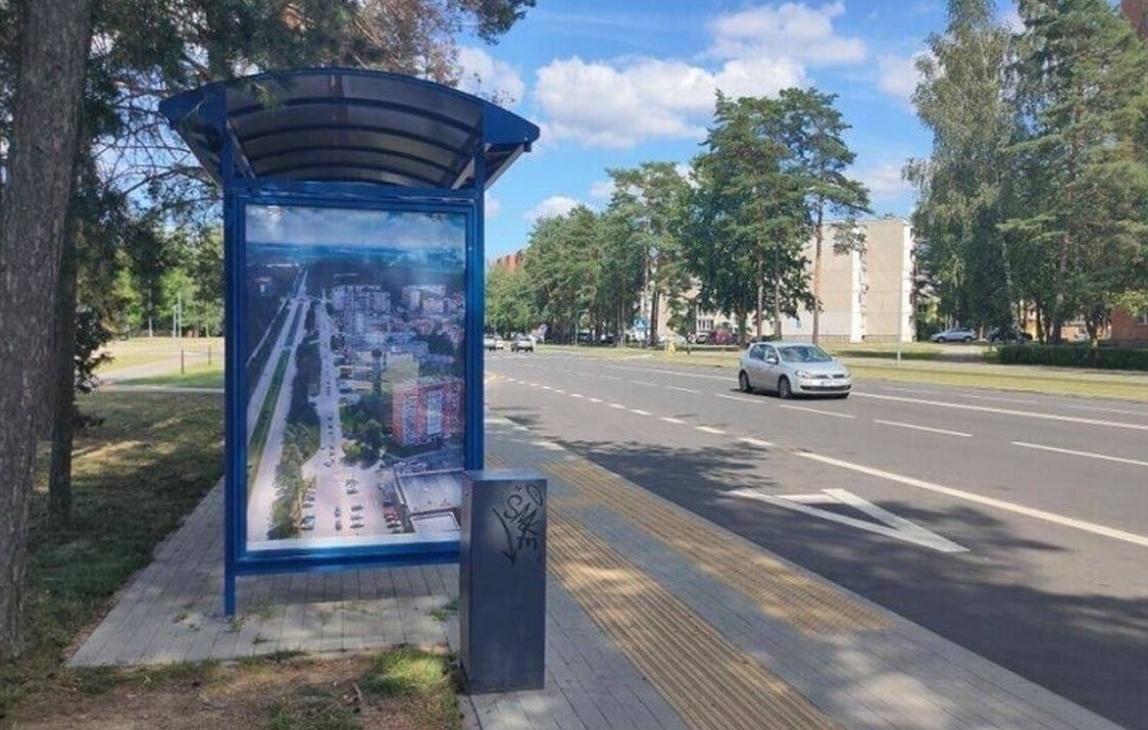
The second is a bus stop. An entirely ordinary place, with nothing particularly remarkable about it, but for Jevgenija it became an icon of waiting: she could see the stop from her window and knew that her father, returning from a shift at the nuclear power plant, would soon get off there. “I could see that bus stop from my window, and there was always this anticipation of when he would come home,” she recalls. Simple and genuine.
The third is a meadow by Lake Visaginas. This is where her father and his colleagues would celebrate summer holidays with their families — playing football and volleyball, having barbecues and spending time together. Jevgenija remembers not the details of the individual games, but the overall feeling: lots of people, the lake, everything happening around them. “I remember that feeling very well.”
City Routes Written Not in Guidebooks, but in the Heart
Jevgenija has several routes she recommends — and none of them begins at a souvenir kiosk.
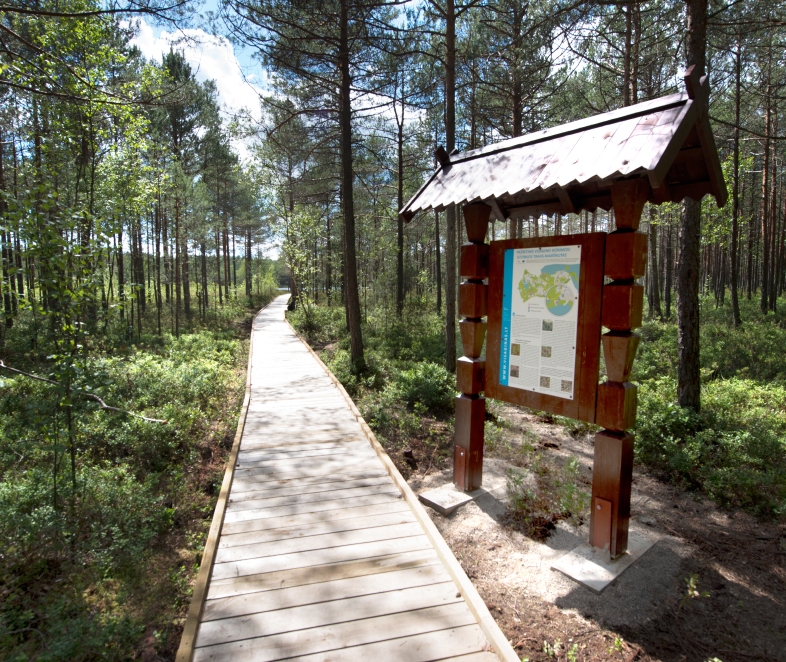
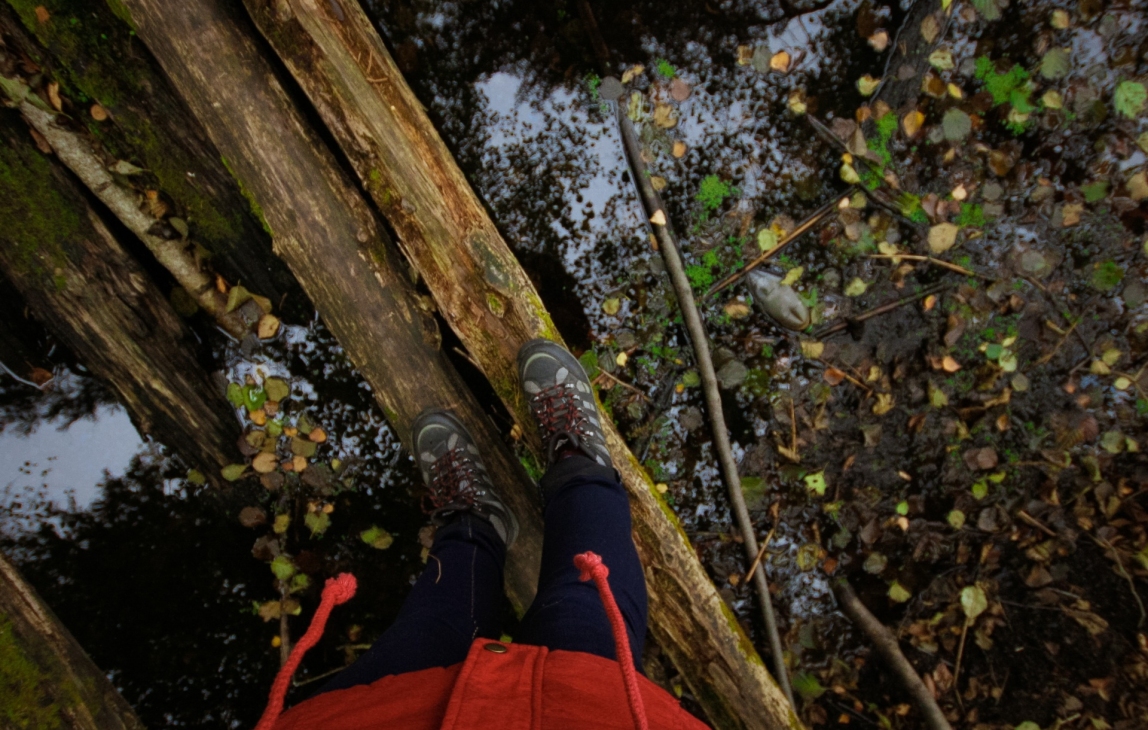
First of all, she suggests simply walking. From the central beach along the lakeshore, all the way to the stream and the marshes. “Not that many people walk all the way to the end,” she notes. There, the city gradually turns into forest, and the forest into a marshland landscape — a natural transition that we often miss when we are in a hurry.
She also recommends walking through the forest barefoot. “That feeling when pine needles are under your feet” is a physical experience worth having. Further on is Lake Šventas, which she describes simply: “Impressive for its views and its water.”
One of her favourite routes is the Seven Lakes route. A three-hour hike or bike ride takes you past seven large and small lakes, some of which cannot be reached by car. “Very impressive, mysterious places.”
Photo by Jevgenija Cholodova
Myths About Visaginas
Towards the end of the conversation, Jevgenija starts listing the myths she hears most often about Visaginas. That only Russians live here and that everyone speaks Russian — “hasn’t been true for many years.” That the city glows at night because of uranium — “the main myth.” That it is scary here and not worth visiting — “probably not true.” That the Soviet mentality has remained unchanged — “thankfully, I see something different.”
She does not take offence. “Life shows that the reality here is completely different, and you simply need to come and see it,” Jevgenija says. You just have to want to see it.
What Animal Would Visaginas Be?
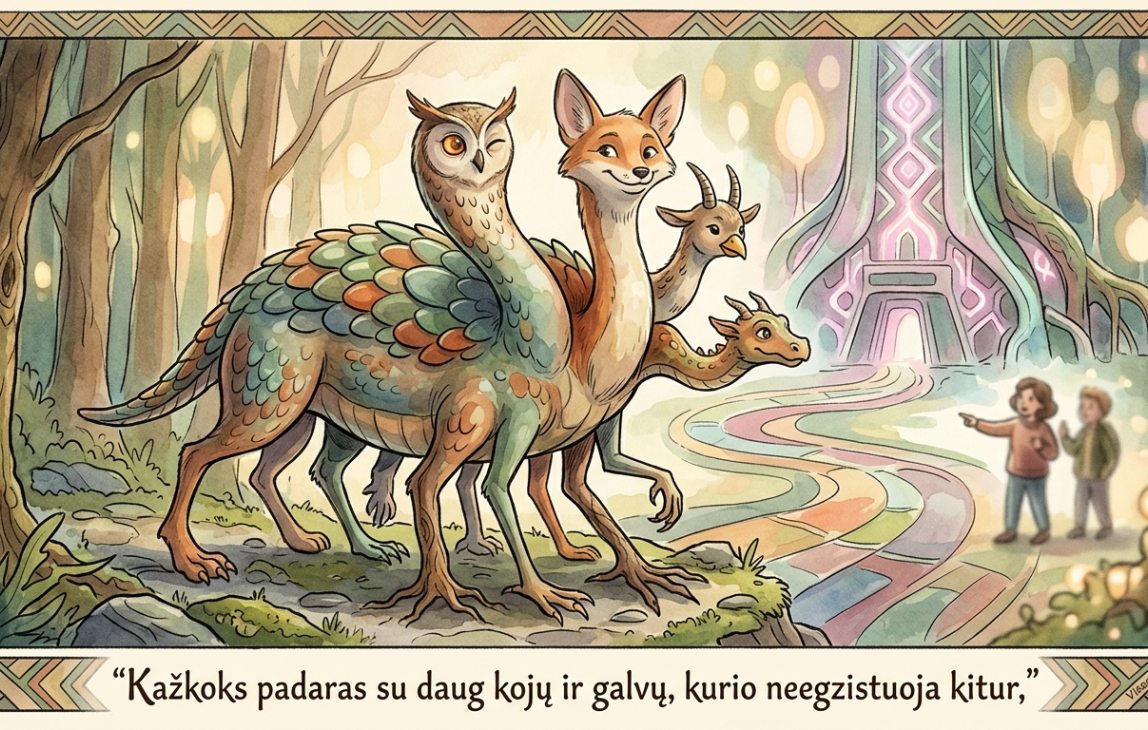
At the end of the conversation comes a slightly playful question: if Visaginas were an animal, what would it be? “Some kind of creature with many legs and heads that doesn’t exist anywhere else,” Jevgenija answers without hesitation.
We then ask her to describe Visaginas in three words. A long pause. Then: “Pine. Nuclear. Strangeness.”
More information about the places mentioned in the article can be found here: